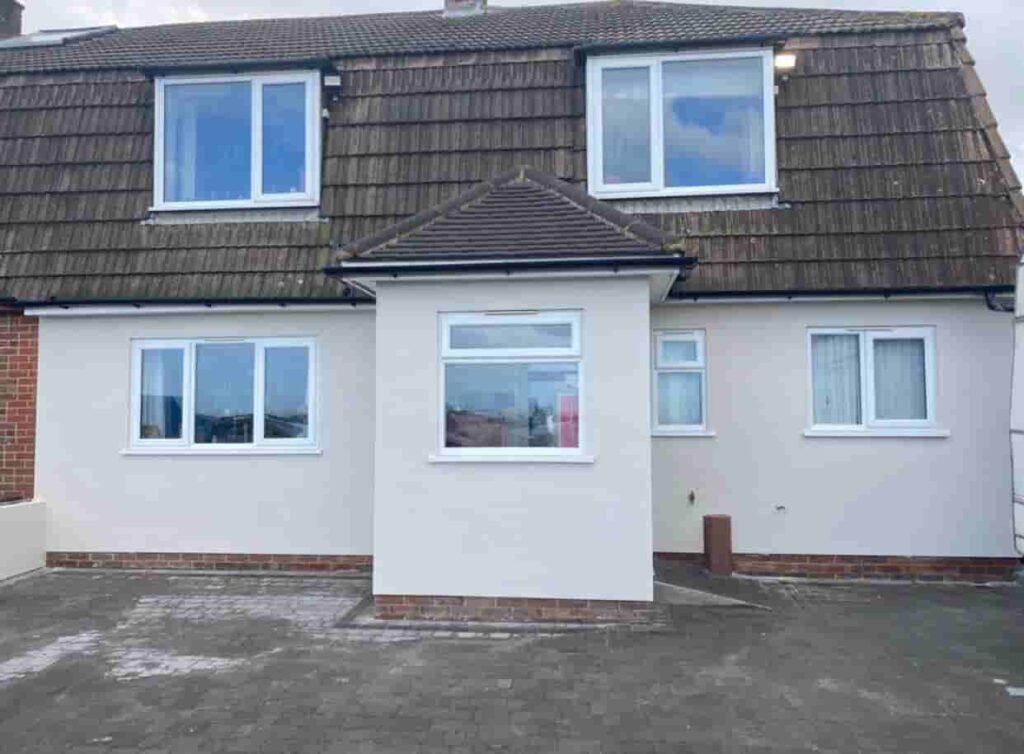
Repeated roof leaks can be frustrating, particularly when water seems to appear in different places or only during certain weather conditions. It is easy to assume that each damp patch represents a separate roofing problem, but this is not always the case. One underlying defect can sometimes allow water to travel beneath the roof covering and create symptoms some distance from the original point of entry.
For homeowners in North Hykeham, Lincolnshire, understanding how water moves through a roofing system is important when dealing with recurring leaks. Instead of repeatedly treating the visible signs indoors, a professional roof assessment can identify whether several incidents are connected to one unresolved defect and determine what repair is genuinely required.
Why One Roof Defect Can Cause Repeated Leaks
A roof is designed to direct rainwater safely away from the property. Tiles or slates, flashing, valleys, ridges and other components work together to form a continuous weather-resistant system.
When one component develops a weakness, water may find its way beneath the external covering. Once inside, it does not necessarily fall directly downwards. Moisture can travel along roofing materials and structural components before eventually becoming visible.
This means the location of a ceiling stain or drip does not always identify the location of the roofing defect.
Water Can Travel Before It Becomes Visible
One of the main reasons recurring leaks can be difficult to diagnose is the route water takes after entering the roof.
Moisture may follow an underlay, timber or another surface before reaching an opening where it can enter the interior. Depending on rainfall and wind conditions, that route can also change.
As a result, one defect may appear to produce different symptoms on separate occasions.
Focusing only on the internal damp patch can therefore lead attention away from the actual entry point.
Weather Conditions Can Change How a Leak Appears
Some roofing defects only allow water through under particular conditions.
Wind-driven rain can push water towards roof details that remain unaffected during calmer rainfall. Prolonged rain may also expose a weakness that does not become apparent during a short shower.
This can explain why a property remains dry during several periods of rainfall before unexpectedly leaking again.
The pattern of water ingress can provide useful information. Knowing whether leaks occur during prolonged rainfall, strong winds or particular conditions can assist with identifying the underlying cause.
A Defect in Flashing Can Affect More Than One Area
Flashing protects vulnerable junctions where different roofing materials or structures meet.
If a section of flashing deteriorates or becomes defective, water can enter at the junction and travel beneath nearby roofing materials. The resulting moisture may then become visible away from the damaged flashing itself.
Repeatedly treating the internal location of the leak will not correct the problem if the actual entry point remains unchanged.
Professional inspection of relevant roof junctions is therefore an important part of diagnosing recurring water ingress.
Valleys Can Produce Difficult-to-Trace Leaks
Roof valleys are designed to collect and direct significant amounts of rainwater.
Because they handle concentrated water flow, deterioration or obstruction within a valley can potentially affect surrounding areas. A relatively localised defect can allow moisture beneath the adjoining roof covering, where it may travel before becoming visible.
A valley problem should therefore be assessed as part of the wider roof rather than simply looking for damaged tiles directly above an internal stain.
Correct diagnosis helps determine whether the valley itself or another nearby component requires attention.
One Damaged Tile Can Sometimes Cause Wider Symptoms
A single cracked, displaced or missing tile can create a route for water to reach the layers underneath.
The resulting leak may not always appear immediately beneath that tile. Once moisture passes the external covering, its path can be influenced by the construction and slope of the roof.
This is why a relatively minor-looking external defect can sometimes produce confusing internal symptoms.
Where the surrounding roof remains sound, correctly repairing the affected tile and checking the immediate area may be sufficient to resolve the recurring leak.
Roof Junctions Deserve Particular Attention
Changes in roof shape and areas where different components meet can be more complex than uninterrupted sections of the main covering.
Junctions rely on correct detailing to direct water safely over and away from the roof. If one of these details deteriorates, the resulting moisture can affect a wider area than the defect initially suggests.
When investigating repeated leaks, a professional roofer should therefore consider relevant junctions rather than concentrating exclusively on the main field of tiles or slates.
This wider assessment can help identify problems that are easily missed when only the most obvious area is examined.
Previous Repairs Can Help Identify a Pattern
The history of previous leak repairs can provide valuable information.
If several repairs have been carried out around internal damp areas but water continues to return, it may indicate that the original entry point has not yet been identified.
It is useful to consider:
- Whether leaks appear after similar weather conditions
- Whether damp marks develop in related areas
- Whether previous repairs remain sound
- Whether the leak has moved rather than disappeared
- Whether one roof detail could be affecting several locations
Looking for these patterns can be more informative than treating each leak as an entirely separate event.
Why Treating Only the Visible Symptom Can Fail
When water appears inside a property, it is natural to concentrate on the location where it becomes visible.
However, repairing or sealing an area without understanding how the moisture reached it can result in temporary improvement rather than a lasting solution.
The objective of roof leak repair should be to stop water at its external entry point.
This requires examining the roof covering and associated details, identifying the defect and assessing whether surrounding materials have also been affected.
A root-cause approach is particularly important where a property has experienced repeated leaks.
Recurring Leaks Do Not Always Mean Several Roof Defects
Multiple damp patches can understandably create concern that a roof has numerous separate failures.
Sometimes that will be the case, particularly where deterioration is widespread. However, it should not be assumed without inspection.
One defect can potentially affect a larger internal area, just as several independent defects can sometimes produce similar symptoms.
Professional assessment helps distinguish between these possibilities so that work can be directed towards the actual cause.
When Could Several Leaks Indicate Wider Deterioration?
Although one underlying defect can cause repeated water ingress, recurring leaks should also prompt consideration of the overall roof condition.
If water is entering through genuinely separate locations, there may be deterioration affecting several components.
Signs that a wider assessment is worthwhile include:
- Leaks appearing in unrelated parts of the property
- Numerous damaged or displaced roofing materials
- Several deteriorated roof junctions
- New problems appearing increasingly often
- Previous repairs remaining sound while other defects develop
- General deterioration across substantial sections of the roof
These signs do not automatically mean extensive work is required, but they do make a whole-roof assessment more valuable.
A Dry Period Does Not Confirm the Defect Has Disappeared
Recurring leaks can sometimes stop for weeks or longer.
This does not necessarily mean the roof has repaired itself. If the defect is exposed only during certain combinations of wind and rain, changing weather can temporarily prevent water from reaching it.
The physical weakness may still remain.
Investigating the roof after an intermittent leak can therefore be worthwhile even when the affected internal area has dried. Establishing the cause before the next period of suitable weather can prevent another recurrence.
Why Accurate Roof Leak Diagnosis Matters
Effective repair begins with accurate diagnosis.
Replacing materials in the wrong location can leave the real entry point untouched. It can also make a recurring problem more difficult to understand if several unrelated areas have been altered without confirming the cause.
A professional assessment should consider the internal evidence, external roof condition, relevant junctions and the circumstances in which water enters.
Bringing this information together provides a much clearer basis for planning a targeted repair.
Professional Assessment Can Prevent Repeated Guesswork
Repeated leaks should not automatically lead to repeated patching.
At North Hykeham Roofing Repairs, we assess roofing problems in North Hykeham, Lincolnshire with the aim of identifying where water is entering and why. This includes looking beyond the visible damp area and considering how the surrounding roofing system could be allowing moisture to travel.
Where one localised defect is responsible, accurately identifying and repairing it can restore reliable performance without unnecessary work elsewhere. Where several problems exist, a broader assessment can establish their true extent.
Conclusion
Yes, repeated leaks can sometimes originate from one underlying roof defect. Water can travel beneath roofing materials before becoming visible, and changing weather conditions can cause the same weakness to produce symptoms in different places or at different times.
The key is to identify the external point of entry rather than assuming every damp mark represents a separate problem. Flashing, valleys, damaged tiles and roof junctions can all create routes for moisture that are not immediately obvious from inside the property.
If your property in North Hykeham, Lincolnshire has experienced recurring roof leaks, contact North Hykeham Roofing Repairs. We can assess the roof carefully, trace the likely source of water ingress and recommend an appropriate repair based on the underlying cause rather than simply treating the visible symptoms.
Call us on: 01522 302 298
Click here to find out more about North Hykeham Roofing Repairs
Click here to complete our contact form and see how we can help with your roofing needs.